The Pacifica Dental blog
Practical, honest answers to the dental questions patients actually ask — written for real life, not for search engines.
Deciding between treatments or worried about a symptom? Start with our patient guides — symptom explainers and honest comparisons.
Dental Implants
Timelines, bone, aftercare, and what drives the cost.

November 18, 2026
What to Expect After Dental Implant Surgery: A Recovery Timeline
The first few days after implant placement bring some swelling and tenderness, then things settle. The longer part is invisible: months of the implant fusing with your jawbone. Here is what each stage feels like and when to call.
Read article →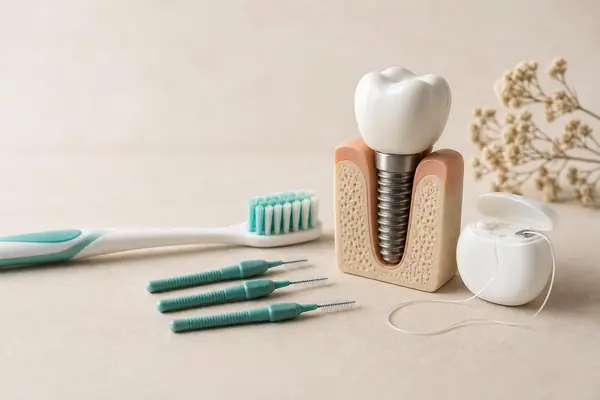
August 23, 2026
How Do You Clean and Care for Dental Implants?
Implants cannot decay, which leads people to relax about cleaning them. That is exactly backwards: the gum and bone around an implant need more attention than a natural tooth, not less.
Read article →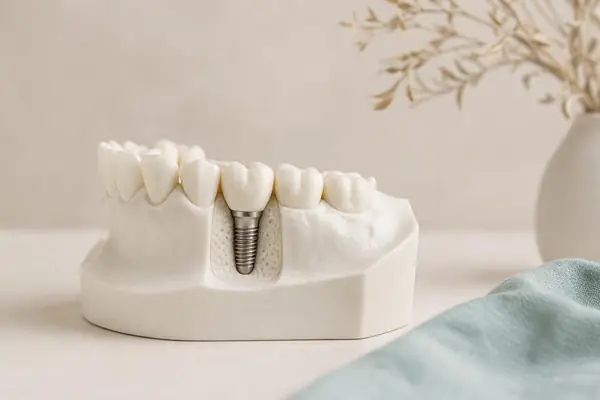
August 23, 2026
Can You Get Dental Implants If You Have Bone Loss?
Often, yes — but it usually changes the plan. Here is why bone matters so much for implants, what grafting actually involves, and why waiting makes the problem harder rather than easier.
Read article →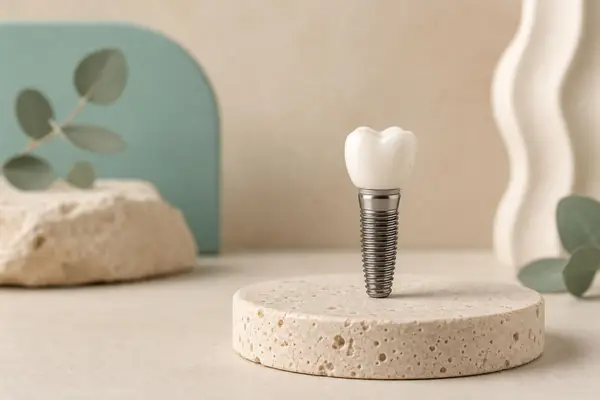
August 23, 2026
How Long Do Dental Implants Last?
Implants are often described as permanent, which is close but not quite right. The post and the tooth on top age differently, and what you do after treatment matters more than most people expect.
Read article →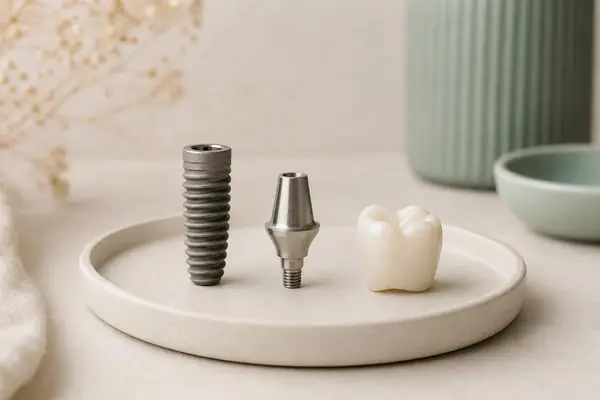
August 7, 2026
How Long Does Dental Implant Treatment Take?
There's no single honest number — implant treatment is a sequence of stages, and biology sets the pace. Here's what each stage does, what stretches or shortens the timeline, and what "same-day implants" really means.
Read article →
August 7, 2026
What Happens at a Dental Implant Consultation?
Thinking about an implant but not sure what the first appointment involves? Here's the step-by-step of an implant consultation — what's examined, what you'll learn, and the questions worth bringing.
Read article →
August 7, 2026
Top Reasons to Have Dental Implants
A missing tooth affects far more than your smile — bone, bite, speech, and neighboring teeth all pay a price over time. Here's why dental implants are the replacement standard so many patients choose.
Read article →Invisalign & Clear Aligners
Wear time, eating, cleaning, and retainers.
October 31, 2026
Invisalign for Teens: What Parents Should Know
Clear aligners can suit teens with mild to moderate crowding or spacing, if they wear them 20 to 22 hours a day. How to tell whether your teen is ready.
Read article →
October 23, 2026
Does Invisalign Hurt? What the First Days Feel Like
Most people feel pressure or soreness for a few days with each new aligner, not sharp pain. What is normal, what helps, and when to call the office.
Read article →
October 11, 2026
What Are Invisalign Attachments, and Do You Need Them?
Attachments are small tooth-colored bumps that help aligners grip and move teeth. What they do, how they're placed, and how to look after them.
Read article →
August 23, 2026
Do You Need Retainers After Invisalign?
Yes — and not just for a while. Teeth drift for the rest of your life, which makes retainers the part of orthodontic treatment people most regret skipping.
Read article →
August 23, 2026
How Do You Clean Invisalign Aligners?
Cloudy, smelly aligners are almost always a cleaning-method problem rather than a defect. A few habits keep them clear — and one common shortcut quietly ruins them.
Read article →
August 23, 2026
What Can You Eat and Drink With Invisalign?
With the aligners out, essentially anything. With them in, water only — and the reason has as much to do with staining and decay as with damaging the aligner.
Read article →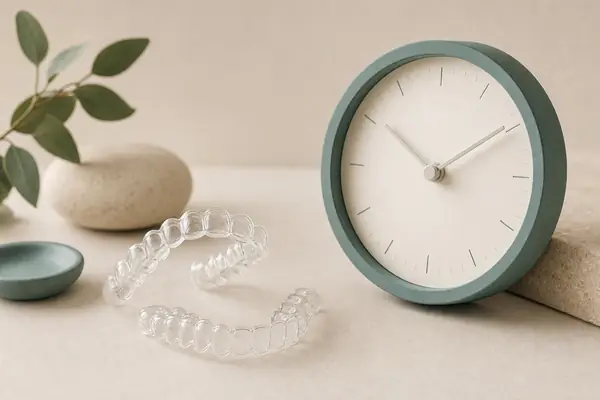
August 23, 2026
How Many Hours a Day Do You Have to Wear Invisalign?
The usual guidance is 20 to 22 hours a day, and unlike most dental advice this number is not padding. Here is what happens to your treatment when wear time slips.
Read article →Cosmetic Dentistry
How long results last, and how smile plans are sequenced.

November 22, 2026
Why Are My Teeth Sensitive After Whitening?
Sensitivity after whitening is common and usually temporary. Why peroxide causes it, how long it tends to last, what helps, and when to call a dentist.
Read article →
November 4, 2026
Do Lumineers Look Natural? What Decides the Result
Lumineers can look natural on teeth that suit a thin, minimal-prep veneer. Tooth position, shade, and bulk decide it. How to tell before you commit.
Read article →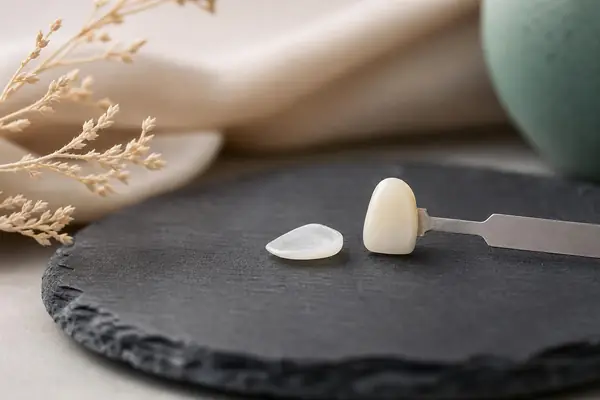
October 19, 2026
Can You Get Just One Veneer? Matching a Single Tooth
Yes, a single veneer is possible, but matching one tooth to its neighbors takes careful planning. What decides whether it works, and the alternatives.
Read article →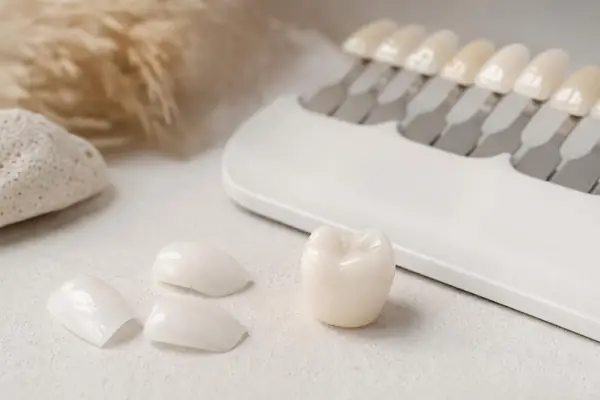
October 3, 2026
Can You Whiten Veneers, Crowns, or Bonding?
Whitening lightens natural enamel, not veneers, crowns, bonding, or fillings. What that means if you want a brighter smile and already have dental work.
Read article →
August 23, 2026
How Dentists Plan a Smile Makeover
A smile makeover is a sequence, not a product — and the order matters. Health first, then position, then colour, then shape. Getting that order wrong is expensive.
Read article →
August 23, 2026
How Long Does Teeth Whitening Last?
Results fade gradually rather than disappearing, and how fast depends almost entirely on what you drink. Here is what actually determines the interval.
Read article →
August 23, 2026
How Long Do Porcelain Veneers Last?
Veneers are durable but not permanent, and the honest planning question is not whether they will be replaced but when — and what that replacement will involve.
Read article →Preventive & Family Care
Everyday dental health, X-rays, and children's visits.
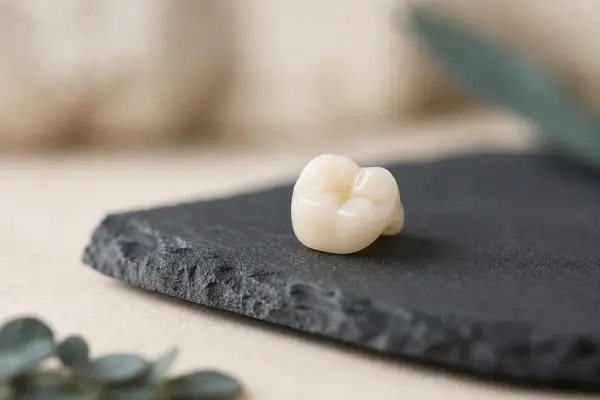
November 18, 2026
What to Expect After Getting a Dental Crown
Some sensitivity and gum tenderness for a few days after a crown is normal. A bite that feels high, pain that gets worse, or a crown that feels loose is not. Here is what to expect with a temporary crown, the first week, and the long term.
Read article →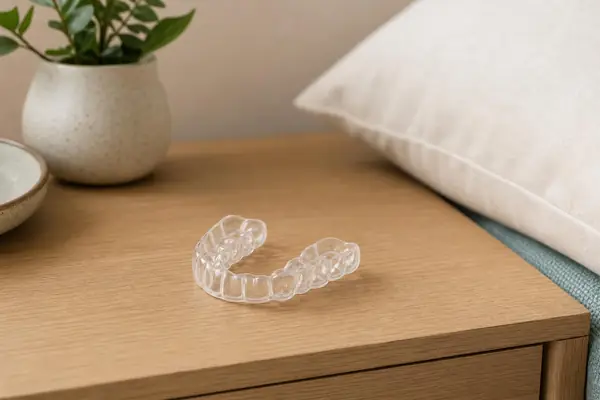
November 18, 2026
Teeth Grinding (Bruxism): Signs, Causes, and What Helps
Many people grind or clench their teeth in their sleep without knowing it. A sore jaw, morning headaches, and worn or chipped teeth are the usual clues. Here is why it matters and what actually helps.
Read article →
November 18, 2026
Is It Safe to Go to the Dentist While Pregnant?
Yes. Cleanings, needed X-rays, local anesthesia, and treatment for cavities are all considered safe during pregnancy, and putting off needed care can be the bigger risk. Here is what changes in your mouth and what to tell your dentist.
Read article →
November 18, 2026
Signs You May Need Urgent Dental Care (and When It's an ER Visit)
Severe tooth pain, facial swelling, a knocked-out tooth, or a broken tooth that hurts all need a prompt call to a dentist. Swelling that affects breathing or swallowing needs 911. Here is how to tell the difference.
Read article →
November 12, 2026
Dental Care After 60: What Changes and What Helps
After 60, dry mouth from medications, gum disease, decay, and older dental work need more attention. What changes, and what helps at home and at visits.
Read article →
November 8, 2026
Dental Care for Teens: What Changes and What Helps
The teen years bring new molars, sports and energy drinks, braces or aligners, and less parental oversight. What matters most for teen teeth.
Read article →
October 27, 2026
Thumb Sucking and Pacifiers: When Do They Affect Teeth?
Most children stop sucking thumbs or pacifiers between ages 2 and 4. When the habit can start to affect teeth, and gentle ways to help a child stop.
Read article →
October 15, 2026
Do Cavities in Baby Teeth Need to Be Filled?
Usually, yes. Baby teeth hold space for adult teeth, and untreated decay can cause pain and infection. How dentists decide what a child's cavity needs.
Read article →
September 29, 2026
Teething: What Helps, What to Avoid, and When to Call
Teething usually starts between 6 and 12 months. What soothes sore gums safely, which products the FDA warns against, and which symptoms aren't teething.
Read article →
September 25, 2026
How Much Toothpaste Should Kids Use? A Guide by Age
Use a rice-grain smear of fluoride toothpaste until age 3 and a pea-sized amount from 3 to 6. Why the amount matters, and how to brush with young kids.
Read article →
September 21, 2026
Dental Sealants for Kids: What They Are and Who Needs Them
Sealants are thin coatings bonded to the chewing surfaces of back teeth to keep decay out. How they work, when kids get them, and how long they last.
Read article →
September 17, 2026
A Back-to-School Dental Checklist for Parents
Book checkups early, handle California's kindergarten oral health assessment, ask about sealants, and pack tooth-friendly lunches. A simple checklist.
Read article →
August 23, 2026
Electric vs. Manual Toothbrush: Does It Actually Matter?
Either can clean your teeth properly. Electric brushes help most people who struggle with technique or pressure — and the features worth paying for are narrower than the marketing suggests.
Read article →
August 23, 2026
When Should Children First See a Dentist?
Earlier than most parents expect — guidance points to the first birthday, or within six months of the first tooth. The first visit is mostly about establishing a habit rather than treatment.
Read article →
August 23, 2026
Why Do I Get Cavities Even Though I Brush?
Brushing is necessary and not sufficient. Most cavities in people who brush well start in the two places a toothbrush cannot reach — and frequency of eating matters more than quantity of sugar.
Read article →
August 23, 2026
Do Dental X-Rays Have Radiation, and Are They Safe?
Yes, they involve radiation — a very small amount, and modern digital sensors use less than film did. Here is how the dose compares and why the frequency should be individual.
Read article →
August 7, 2026
Helping Children Feel Comfortable at the Dentist
Kids aren't born afraid of the dentist — dental anxiety is usually learned. The words you choose, the way you schedule, and what you do after the visit can shape how your child feels about dental care for years to come.
Read article →
August 7, 2026
Routine Cleaning vs. Deep Cleaning: What's the Difference?
Your dentist said you need a "deep cleaning" and you're wondering if that's just a more expensive cleaning. It isn't — they're different procedures for different conditions. Here's how each works and how the decision is actually made.
Read article →
August 7, 2026
Why Regular Dental Checkups Can Save Your Smile
The most expensive dental problems almost all start as cheap ones. Here's what actually happens at a checkup, why 'nothing hurts' isn't the same as 'nothing's wrong,' and how regular visits protect your smile and your budget.
Read article →
August 7, 2026
Dental Travel Tips: Protect Your Smile on the Road
A dental emergency far from home turns a vacation upside down. A pre-trip checkup, a small dental kit, and knowing what to do if something breaks — here's the traveler's playbook.
Read article →
August 7, 2026
Dental Care Facts and Myths
Sugar causes cavities, harder brushing cleans better, baby teeth don't matter — which are true? We sort common dental beliefs into fact and myth so your home care actually works.
Read article →
August 7, 2026
Choosing a Toothpaste for Sensitive Teeth
That wince when you sip iced coffee is a signal, not a life sentence. Here's how sensitivity toothpastes actually work, what to look for on the label, and when sensitivity means it's time to see your dentist.
Read article →Comfort & Costs
Nerves, and knowing what treatment will cost.

November 18, 2026
How to Choose a New Dentist: 10 Questions Worth Asking
The right dentist is partly practical (coverage, location, hours) and partly about how they communicate. These ten questions help you tell the difference before you commit to a treatment plan.
Read article →
November 18, 2026
What Does Medi-Cal Dental Cover? A Plain-Language Guide
Medi-Cal Dental, the program many people still call Denti-Cal, covers exams, cleanings, fillings, crowns, root canals, dentures, and emergency care for eligible members. Here is what it includes, where the limits are, and how recent changes affect some adults.
Read article →
October 7, 2026
Strong Gag Reflex at the Dentist? What Can Help
A strong gag reflex is common and manageable. What triggers it, simple techniques that help, and when numbing or sedation is worth discussing.
Read article →
August 23, 2026
What Does Dental Sedation Actually Feel Like?
Sedation is not the same as general anaesthesia, and most people are awake and responsive throughout. Knowing what it does and does not do removes a lot of the worry.
Read article →
August 7, 2026
Questions to Ask Before Using Dental Financing
Financing can turn a needed treatment from impossible into manageable — but plans differ in ways that matter. Ask these questions before you sign, and you'll have a much clearer picture of what you're agreeing to.
Read article →Reading done — questions remaining?
Articles are general information. For answers about your teeth, an exam beats a search engine every time.