
Why Are My Teeth Sensitive After Whitening?
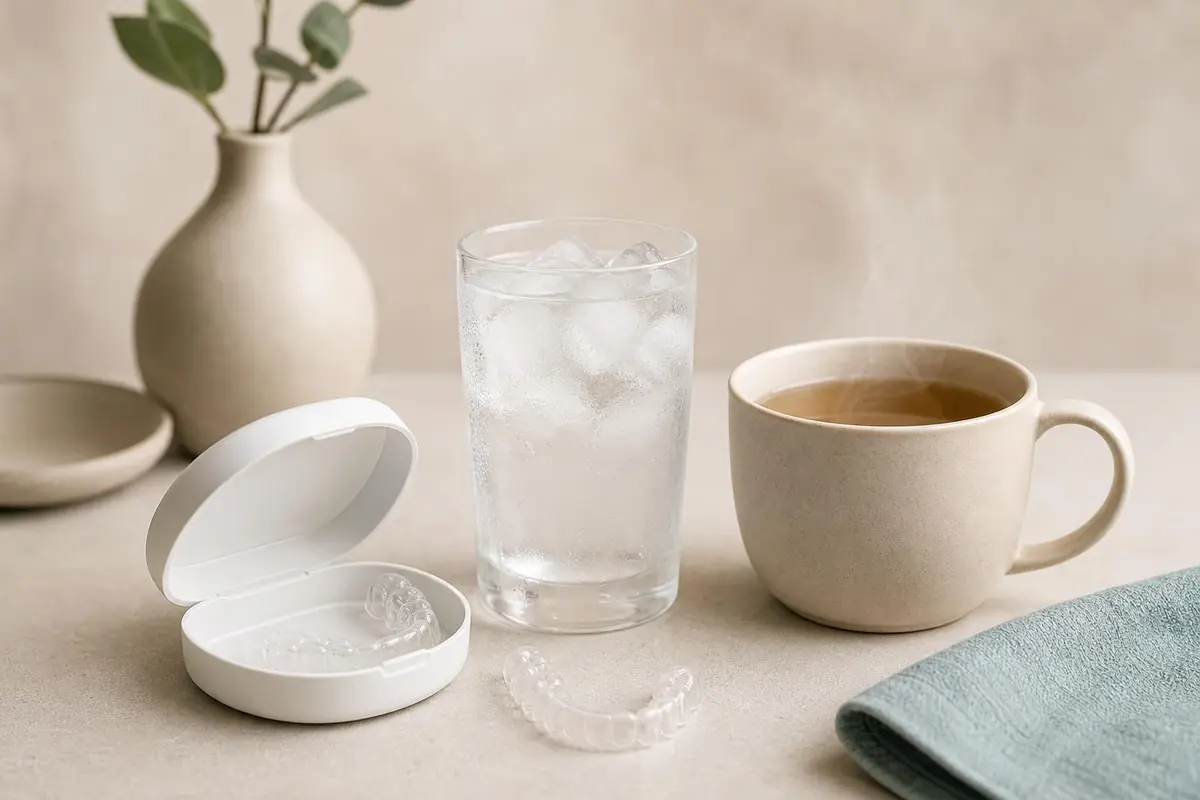
Tooth sensitivity after whitening is common, and it is usually temporary. The peroxide in whitening gel passes through the enamel and can briefly irritate the nerve inside the tooth, so cold drinks, sweets, or even a breath of cool air can sting for a few days. For most people it fades on its own once treatment pauses or finishes. At Pacifica Dental in Huntington Beach, we check teeth before any professional teeth whitening so sensitivity can be planned for rather than simply endured.
Key points
- The American Dental Association describes temporary sensitivity as the most common side effect of whitening.
- It tends to start in the first days of treatment and usually settles within a few days.
- Stronger gel, longer contact time, and more frequent sessions are linked to more sensitivity.
- A sensitivity toothpaste, a short break, or a gentler schedule usually helps.
- Sharp pain, pain in one tooth, or sensitivity that does not settle is a reason to call a dentist rather than keep whitening.
Why does whitening make teeth sensitive?
Whitening products use hydrogen peroxide or carbamide peroxide to break stains into smaller, less visible pieces. To reach those stains, the peroxide has to travel through the enamel into the layer beneath it, called dentin. Dentin is threaded with tiny channels that lead toward the nerve, and the ADA notes that peroxide exposure may cause a temporary inflammation of the pulp, the living tissue in the center of the tooth. That is the zing you feel.
Some teeth start out more vulnerable. If your gums have receded and exposed the root surface, your enamel is worn thin, or you have small cracks or older fillings, peroxide reaches the dentin more easily. The ADA lists existing restorations, especially bonded ones, among the factors linked to sensitivity during whitening.
How long does whitening sensitivity last?
For most people, not long. The ADA's summary of the research says sensitivity can affect up to two-thirds of people early in treatment with strips or trays, often beginning within two to three days and usually resolving by around the fourth day. Cleveland Clinic describes it as common when you start a whitening product and notes that it typically fades quickly and is not a sign of long-term damage.
In-office whitening works the same way chemically, so any sensitivity follows the same pattern of starting soon after treatment and then easing. If it has not settled within several days of your last session, have the tooth or teeth checked.
What makes sensitivity more likely?
- Higher peroxide concentrations — the ADA notes that one review found lower concentrations caused less sensitivity
- Longer wear times or more sessions packed close together
- More intense or longer light exposure during light-assisted whitening
- Teeth that were already sensitive, or exposed root surfaces from gum recession
- Trays that fit poorly, which can also let gel irritate the gums
- Using over-the-counter products more often or for longer than the directions say
What helps while it settles?
Most whitening sensitivity responds to simple changes:
- Take a break. ADA MouthHealthy suggests delaying treatment and trying again later, and Cleveland Clinic suggests a break or a milder product.
- Use a toothpaste for sensitive teeth, twice a day, for as long as the sensitivity lasts.
- With take-home trays, ask your dentist about shorter wear times or spacing sessions further apart.
- Avoid very cold or very hot food and drinks for a day or two, and brush with lukewarm water.
- Don't stack products. Using strips, a whitening toothpaste, and trays at the same time adds up.
Some dentists suggest starting a sensitivity toothpaste before whitening. The ADA notes that pretreatment has been studied but that more research is needed, so treat it as reasonable rather than proven. Our article on choosing a toothpaste for sensitive teeth explains what to look for on the label.
Does sensitivity mean whitening damaged my teeth?
Usually not. Temporary sensitivity reflects irritation that resolves, not permanent harm. Overuse is a different matter: ADA MouthHealthy warns that overusing whitening products can damage enamel or gums, which is one reason to follow directions closely and talk to your dentist first. Before whitening at our office, we examine the teeth and gums, because whitening over untreated decay or inflamed gums isn't safe.
When should I call a dentist?
- The sensitivity hasn't eased within several days after you stopped whitening
- One tooth hurts much more than the others
- You feel sharp pain when biting, or pain that lingers long after the cold drink is gone
- Your gums look white, sore, or swollen, or they bleed
Sensitivity that centers on one tooth often comes from a cavity, a crack, or a leaking filling. Whitening doesn't cause those problems, but it can make them noticeable, and each one is simpler to treat early.
How does Pacifica Dental approach whitening for sensitive teeth?
We start with an exam and a shade check. From there, patients can choose in-office whitening with the Zoom! system, which takes about an hour, or custom take-home trays with professional gel that you wear on your own schedule. If your teeth are already sensitive, take-home trays can make it easier to go slowly. Whitening is generally postponed during pregnancy as a precaution. If you are comparing options, our guide to professional vs. store-bought whitening and our sensitive teeth guide are good next reads.
Common questions
Should I stop whitening if my teeth hurt?
Pause. Most sensitivity settles within a few days, and you can usually resume afterward with a gentler schedule. If it doesn't settle, have the teeth checked before you continue.
Can I whiten if I already have sensitive teeth?
Often, yes, once an exam has found the cause of the sensitivity. Exposed roots, worn enamel, or a cavity change the plan, and some of them need treatment first.
Will sensitivity come back with touch-ups?
It can, because touch-ups use the same chemistry. Space them out, keep using a sensitivity toothpaste if it helped before, and follow the wear times you were given.
How long will my whitening results last?
That depends mostly on coffee, tea, red wine, tobacco, and home care. Our article on how long teeth whitening lasts covers what shortens or extends the result.
If whitening sensitivity hasn't settled, or you want to whiten without repeating a bad experience, call Pacifica Dental at (714) 848-8211 or request an appointment. Our office is on Main Street in Huntington Beach, and Dr. Sameer Aljanedi and our team will start with an exam before recommending anything.
References
This article is general dental health information, not personal medical advice. For recommendations specific to your teeth, schedule an exam.