
Teething: What Helps, What to Avoid, and When to Call
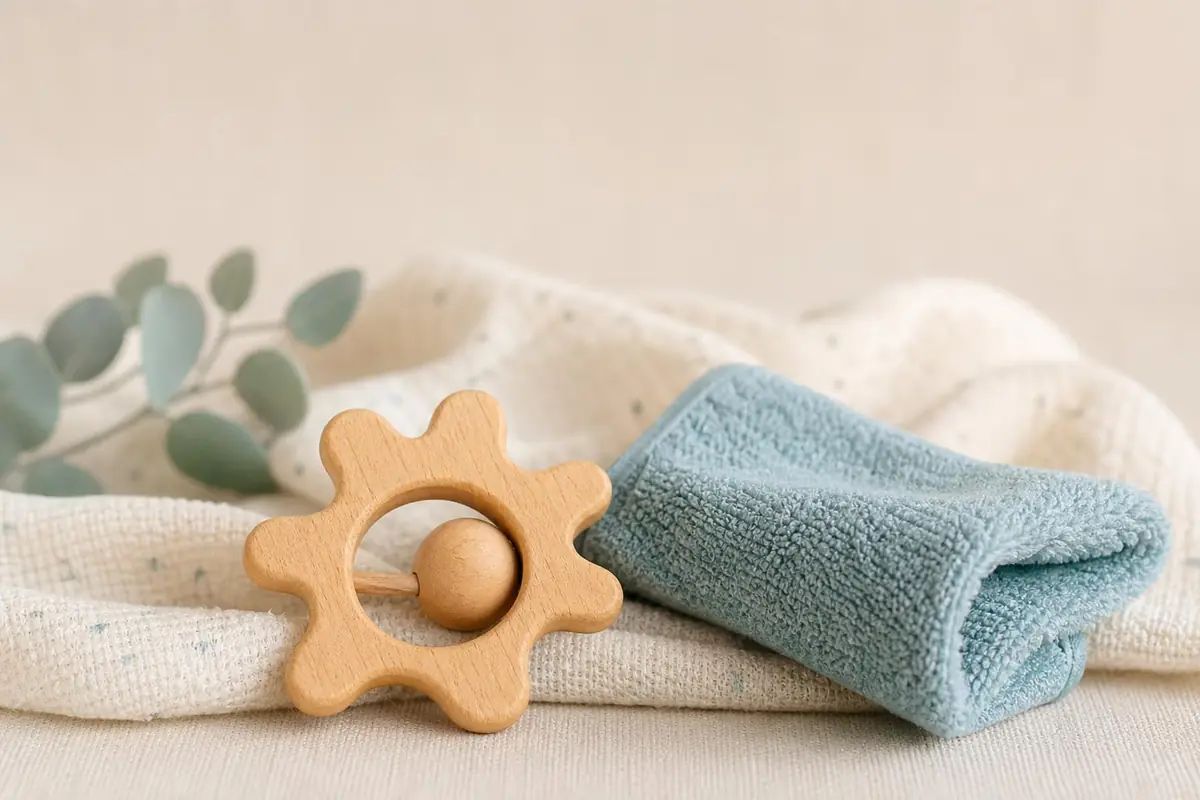
To soothe teething, gently rub your baby's gums with a clean finger or offer a solid rubber teether, chilled but not frozen. The FDA warns against numbing gels with benzocaine or lidocaine and against teething necklaces and bracelets, which have caused choking and strangulation. Fever and diarrhea aren't normal teething symptoms, so call your pediatrician if they appear. Once that first tooth arrives, it's also time to plan a first dental visit, and Pacifica Dental sees children from their first tooth in Huntington Beach.
Key points
- Teething usually starts between 6 and 12 months, and most children have all 20 baby teeth by about age 3.
- Fussiness, drooling, chewing on things, sleep trouble, and a smaller appetite are normal signs.
- Safe comfort: a clean finger, a cool spoon, a damp gauze pad or chilled washcloth, or a solid rubber teether.
- Avoid benzocaine and lidocaine products, teething jewelry, homeopathic teething tablets, and liquid-filled teethers.
- Fever, diarrhea, and a body rash are not teething. Call your pediatrician.
When does teething start?
ADA MouthHealthy says teething usually begins between 6 and 12 months, though the timing varies a lot from child to child. Babies typically have all 20 primary teeth by about age 3. Some babies breeze through it, while others are uncomfortable for a few days around each new tooth.
What are the normal signs of teething?
- Fussiness and irritability
- Extra drooling, and sometimes a mild rash around the mouth from the drool
- Chewing on fingers, toys, or anything within reach
- Trouble sleeping
- Less interest in eating for a day or two
What actually helps sore gums?
- Rub the gums gently with a clean finger, a small cool spoon, or a moist gauze pad. MouthHealthy and the FDA both suggest this.
- Offer a firm rubber teether. The FDA advises one that isn't filled with liquid and isn't frozen, and that you supervise your baby while they use it.
- Try a chilled, damp washcloth. The American Academy of Pediatrics suggests chilled, not frozen solid.
- For babies over 6 months, the AAP mentions a sippy cup of cold water.
- Comfort routines help too: cuddling, a warm bath, or quiet white noise at bedtime.
- Wipe drool gently through the day, which helps prevent irritated skin around the mouth and chin.
What should I avoid?
- Benzocaine gels and liquids. The FDA says these offer little to no benefit for teething and can cause methemoglobinemia, a potentially fatal condition that reduces the oxygen in the blood.
- Viscous lidocaine. The FDA warns it can cause serious harm, including seizures, in infants and young children.
- Teething necklaces, bracelets, and amber beads. The FDA has received reports of deaths and serious injuries, including strangulation and choking.
- Homeopathic teething tablets or gels. MouthHealthy notes some have contained inconsistent amounts of belladonna, and the AAP advises against them.
- Liquid-filled teething toys and rubbing alcohol on the gums, which the AAP also lists to avoid.
Can I give pain medicine for teething?
The AAP says acetaminophen can be used for significant discomfort, but only as your pediatrician advises, including the right dose for your baby's weight. Ask before giving any medicine to an infant.
What symptoms aren't caused by teething?
It's easy to blame every bad day on a new tooth, but some symptoms point to something else. According to the AAP, teething doesn't cause fever, diarrhea, diaper rash, or a weakened immune system, and more crying than usual can be a sign of illness. MouthHealthy also says fever, diarrhea, and rash aren't normal teething symptoms. If you see them, call your pediatrician rather than waiting it out.
Do new baby teeth need brushing right away?
Yes. As soon as a tooth appears, brush it twice a day with a soft, child-size brush and a smear of fluoride toothpaste about the size of a grain of rice. Our guide to how much toothpaste kids should use covers the amounts by age. The first dental visit should happen by your child's first birthday, and our article on when children should first see a dentist explains what it involves.
Common questions
Can teething cause a fever?
No. The AAP and ADA MouthHealthy both say fever is not a normal teething symptom. Call your pediatrician if your baby has one.
Are amber teething necklaces safe?
No. The FDA warns against teething jewelry of any kind because of the risk of strangulation and choking, and the AAP notes there is no scientific evidence that amber necklaces relieve pain.
Is it OK to freeze a teether?
The FDA advises a teether that isn't frozen, and the AAP suggests chilled rather than frozen solid. A very cold, hard teether can be rough on gums.
Does teething cause diarrhea?
No, according to the AAP. Diarrhea that lasts more than a day is a reason to call your pediatrician.
Should I clean my baby's gums before teeth come in?
Yes. ADA MouthHealthy suggests wiping the gums with a clean, damp gauze pad or washcloth from the first days after birth. It also gets your baby used to having their mouth cleaned before brushing starts.
When should I call a dentist about new teeth?
Plan the first visit by the first birthday. Call sooner if you notice white or brown spots on the teeth, a chipped tooth, or swelling around a tooth that's coming in.
Pacifica Dental is a family practice on Main Street in Huntington Beach, caring for babies, children, parents, and grandparents in one office. Call (714) 848-8211 or request an appointment for your child's first visit. If you're wondering how to make that visit go smoothly, read helping children feel comfortable at the dentist.
References
This article is general dental health information, not personal medical advice. For recommendations specific to your teeth, schedule an exam.