How Much Toothpaste Should Kids Use? A Guide by Age
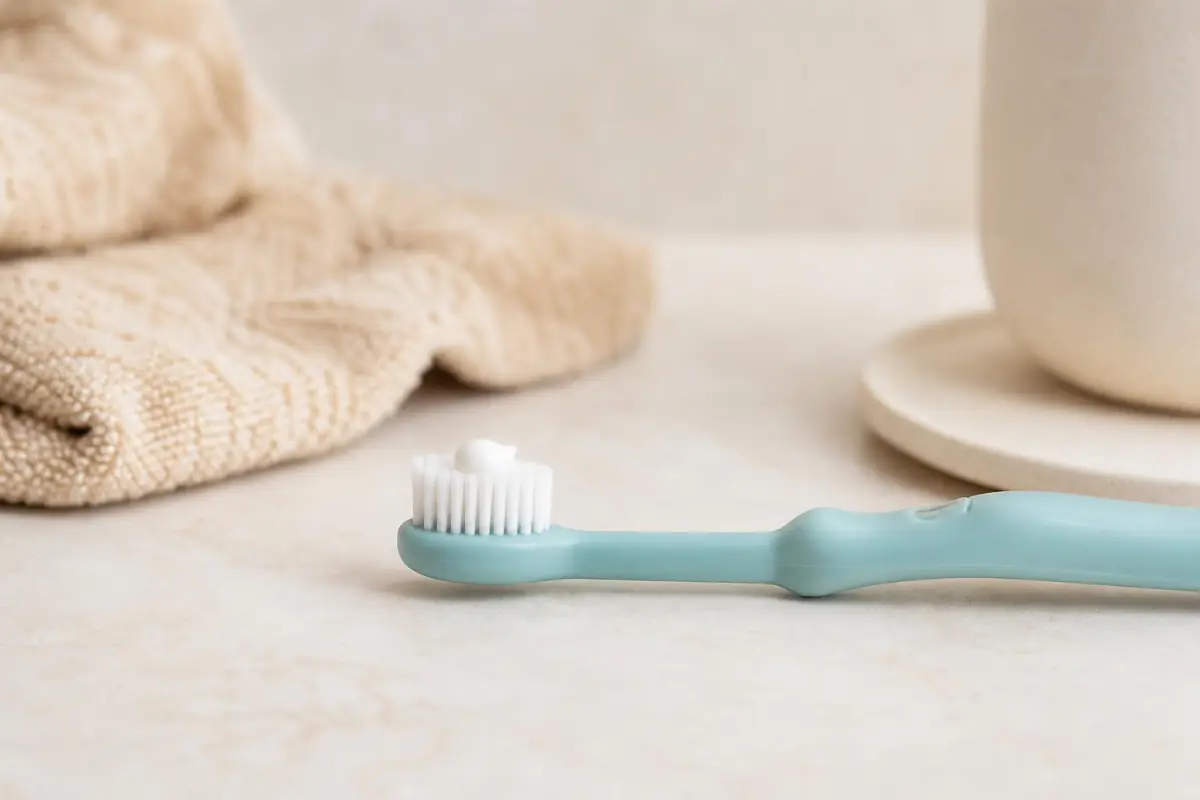
For children under 3, use a smear of fluoride toothpaste no bigger than a grain of rice. From ages 3 to 6, use no more than a pea-sized amount. Those are the amounts recommended by the American Dental Association and the CDC, and an adult should supervise brushing so children use the right amount and spit rather than swallow. Our pediatric dentistry team at Pacifica Dental in Huntington Beach is happy to show you how at your child's next visit.
Key points
- First teeth to age 3: a smear of fluoride toothpaste, about the size of a grain of rice.
- Ages 3 to 6: no more than a pea-sized amount.
- An adult should supervise brushing so children don't use too much or swallow it.
- A CDC analysis found that more than 38% of children ages 3 to 6 used more toothpaste than recommended.
- Fluoride toothpaste is still recommended for young children. The amount is what needs care.
- Start cleaning between teeth once two teeth touch.
How much toothpaste should a baby or toddler use?
Start brushing as soon as the first tooth appears, usually around 6 months. Before that, ADA MouthHealthy suggests wiping the gums with a clean, damp gauze pad or washcloth. Once teeth arrive, use a soft, child-size brush and a smear of fluoride toothpaste no larger than a grain of rice, twice a day.
You may see slightly different wording from different sources. The ADA recommends the rice-grain smear from the first tooth, while the CDC's tips for parents suggest checking with your child's doctor or dentist before using fluoride toothpaste for children under 2. Either way, the amount is tiny, and it's a good question to raise at your child's first dental visit.
How much toothpaste for kids ages 3 to 6?
A pea-sized amount, and no more. At this age children want to brush for themselves, which is good, but they also tend to squeeze out far more paste than they need. The CDC's analysis of national survey data found that more than 38% of children ages 3 to 6 used a half or full load of toothpaste on the brush. Putting the paste on yourself solves most of the problem.
This is also the age to teach spitting. The CDC advises that children under 6 should spit out the toothpaste rather than swallow it.
Why does the amount matter?
Fluoride strengthens enamel and helps prevent cavities, which is why fluoride toothpaste is recommended from the first tooth. The concern is swallowing too much while the adult teeth are still forming under the gums. The CDC notes that swallowing too much fluoride during those years can cause dental fluorosis, which shows up as discoloration or pitting of the enamel. Small, supervised amounts give children the cavity protection without that risk.
When can kids brush on their own?
Most children need help or supervision until around age 7 or 8. Young kids rarely have the coordination to reach the back teeth and the gumline well, even when they insist they've finished. A good pattern is to let your child brush first, then take a turn yourself. Our article on electric vs. manual toothbrushes covers whether a powered brush helps.
How do I brush a wriggly toddler's teeth?
- Sit or stand behind your child, or lay a toddler across your lap, so you can see into the mouth.
- Keep it to the same two moments each day, morning and bedtime, so it becomes routine.
- Use a song, a timer, or a turn-taking game to make it feel shorter.
- Let your child hold a second brush while you do the real cleaning.
- Praise cooperation. Battles tend to make the next session harder.
What other fluoride do children get?
Fluoride varnish, painted on at dental visits, adds another layer of protection. The CDC says fluoride varnish prevents about one-third of cavities in baby teeth. At Pacifica Dental, fluoride treatments for children are recommended according to each child's cavity risk. Our membership plan includes two fluoride treatments for children. Pacifica Dental also accepts Medi-Cal Dental, and we verify each child's coverage before the visit.
Common questions
Should I use fluoride-free toothpaste for my toddler?
The ADA and CDC both recommend fluoride toothpaste for young children, in small amounts. If you have concerns, bring them to your child's checkup and we'll talk through your child's cavity risk.
What if my child swallows some toothpaste?
The recommended amounts are kept small because young children do swallow some. The fluorosis concern is regular overuse while teeth are forming. If your child eats a large amount of toothpaste, call your pediatrician or Poison Control for advice.
When should my child first see a dentist?
By the first birthday, as the CDC and the American Academy of Pediatric Dentistry recommend. Our article on when children should first see a dentist explains what that first visit involves.
Do kids need a special children's toothpaste?
Not necessarily. What matters is that it contains fluoride and that you use the right amount for your child's age. A mild flavor your child tolerates can make brushing easier, which counts for a lot.
When should we start flossing?
ADA MouthHealthy suggests cleaning between your child's teeth daily once two teeth touch. Floss picks made for kids can make it easier.
Pacifica Dental cares for children from their first tooth through the teen years, alongside their parents and grandparents, at our office on Main Street in Huntington Beach. We're open six days a week, including Saturdays. Call (714) 848-8211 or request an appointment, and if your child is nervous, read our tips for helping children feel comfortable at the dentist.
References
This article is general dental health information, not personal medical advice. For recommendations specific to your teeth, schedule an exam.