Dental Care for Teens: What Changes and What Helps
The teen years are when many people let go of the dental habits their parents built, just as new risks arrive: second molars around age 12, sports and energy drinks, braces or aligners, contact sports, and sometimes vaping. The basics still do most of the work (fluoride toothpaste twice a day, cleaning between teeth, water instead of sugary drinks, and regular checkups), plus a few teen-specific steps. Pacifica Dental's family dentistry in Huntington Beach covers kids, teens, and their parents in one office.
Key points
- Second molars come in around age 12, and sealing them soon after is one of the most useful things a teen can do.
- Sports and energy drinks combine sugar and acid, which ADA MouthHealthy says can cause cavities and wear enamel.
- A well-fitted mouthguard is recommended for organized sports and activities like skateboarding.
- Wisdom teeth are tracked with X-rays at checkups. They don't always need to come out.
- Every form of tobacco and nicotine, including vapes and pouches, harms teeth and gums.
What changes for teeth in the teen years?
Two things change at once. The mouth changes: second molars arrive around age 12, wisdom teeth start developing, and many teens start orthodontic treatment. And the routine changes: teens make more of their own choices about food, drinks, and brushing, often with busy schedules and less supervision than before.
Habits matter for the long term too. The CDC lists poor oral hygiene, smoking, and hormonal changes among the risk factors for gum disease, and good routines built now carry into adulthood.
Are sports and energy drinks bad for teeth?
They're hard on teeth. ADA MouthHealthy explains that sports and energy drinks can cause cavities because of their added sugar, including "natural" sweeteners, and their acids, which wear away enamel. Sipping one through a long practice or study session keeps teeth exposed for hours.
MouthHealthy recommends water, preferably fluoridated, as the healthiest choice, with plain sparkling water as an alternative. If your teen does have a sports drink, drinking it with a meal and following it with water limits the damage.
Does my teen need a mouthguard?
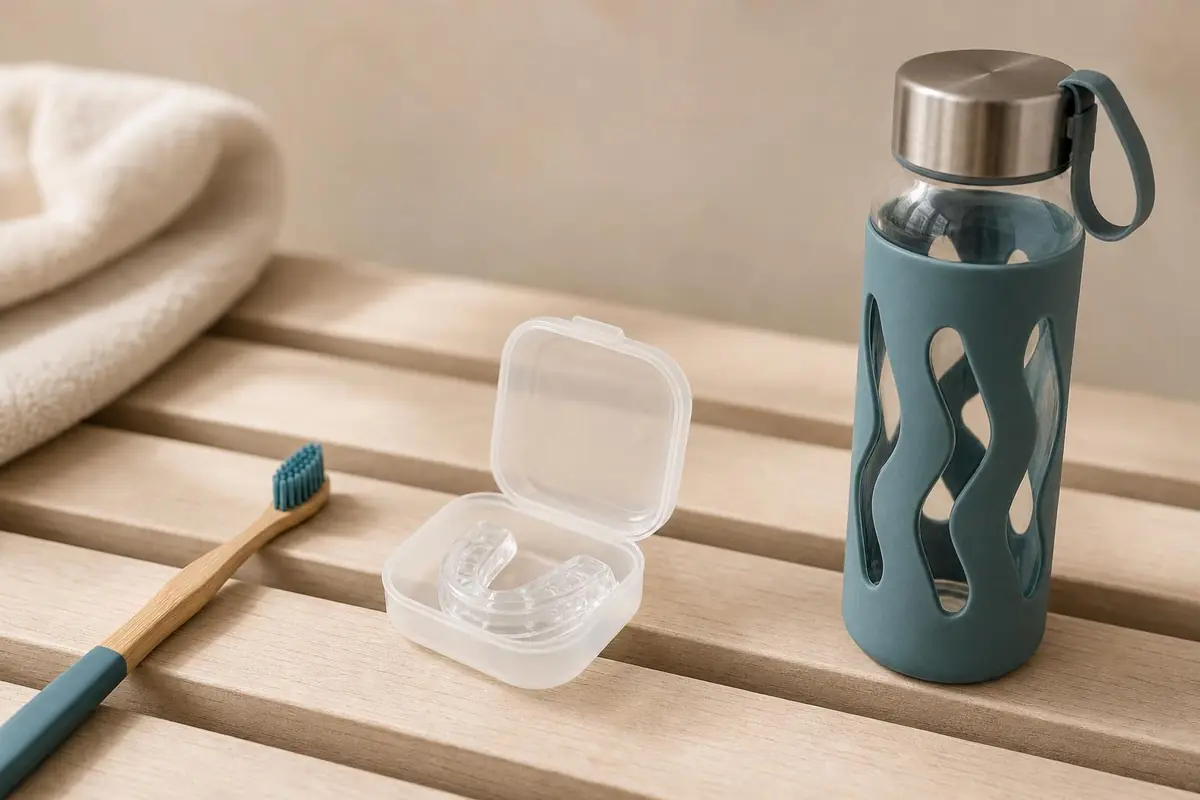
If they play an organized sport or do activities like skateboarding or snowboarding, yes. ADA MouthHealthy says a well-fitted mouthguard cushions blows to the face and lowers the risk of broken teeth and mouth injuries. Ask us which type suits your teen's sport, especially if they wear braces or aligners.
Grinding is a separate issue. MouthHealthy notes that teens can grind their teeth during sleep, which may cause jaw pain and headaches, and that a dentist may recommend a night guard.
What about wisdom teeth?
Wisdom teeth don't always cause problems. MouthHealthy explains that if there isn't enough room or they're poorly positioned, a dentist may recommend removal based on X-rays, and that regular checkups help track their development. The point of checking during the teen years is to make a decision with good information, not to remove them by default.
Do braces or aligners change dental care?
Yes. Brackets and wires create extra places for plaque to hide, so brushing takes longer and cleaning between teeth needs extra tools. With clear aligners, the teeth have to be brushed before the aligners go back in, and only water should be drunk with them in. The AAO describes the teen years as a strong window for orthodontic treatment, because the permanent teeth are in and the jaws are still growing. Our article on Invisalign for teens covers what parents should know.
Vaping, nicotine pouches, and mouth piercings
ADA MouthHealthy is blunt: all forms of tobacco and nicotine harm teeth and gums, causing stains, bleeding gums, cavities, tooth loss, and mouth and throat cancer. Vapes and nicotine pouches contain nicotine, which is highly addictive and affects brain development. Free help with quitting is available through smokefree.gov.
Mouth piercings carry their own risks. MouthHealthy notes they can lead to infections and severe swelling, and that jewelry can chip teeth or wear down enamel over time.
How can parents help without nagging?
- Keep checkups on the family calendar, since teens rarely book their own.
- Stock water bottles and tooth-friendly snacks, so the easy choice is the better one.
- Make sure toothbrushes and floss picks travel with them: gym bag, backpack, sleepovers.
- Let the dentist deliver the message on vaping or energy drinks. It often lands better from someone other than a parent.
- Give teens time alone with the dentist at checkups, so they can ask their own questions.
Common questions
How often should teens see the dentist?
Cleveland Clinic notes that most dentists suggest a cleaning about twice a year, and some people need more frequent visits. We'll recommend the right schedule for your teen.
Do teens still need sealants?
The second molars that arrive around age 12 are good candidates, and existing sealants are checked and repaired as needed. Our article on dental sealants for kids explains why.
Is bad breath normal for teenagers?
Usually it comes down to plaque and hydration. MouthHealthy suggests brushing twice a day, cleaning between teeth daily, and drinking enough water. Mouthwash and mints only mask it for a while.
Do you accept Medi-Cal Dental for teens?
Yes. Pacifica Dental accepts Medi-Cal Dental, and we verify coverage before each visit because it depends on eligibility. Our guide to what Medi-Cal Dental covers has the details.
With school, sports, and jobs, teens' schedules are tight. Pacifica Dental is open six days a week, including Saturdays, on Main Street in Huntington Beach. Call (714) 848-8211 or request an appointment, and see our back-to-school dental checklist for the rest of the family.
References
This article is general dental health information, not personal medical advice. For recommendations specific to your teeth, schedule an exam.