Dental Sealants for Kids: What They Are and Who Needs Them
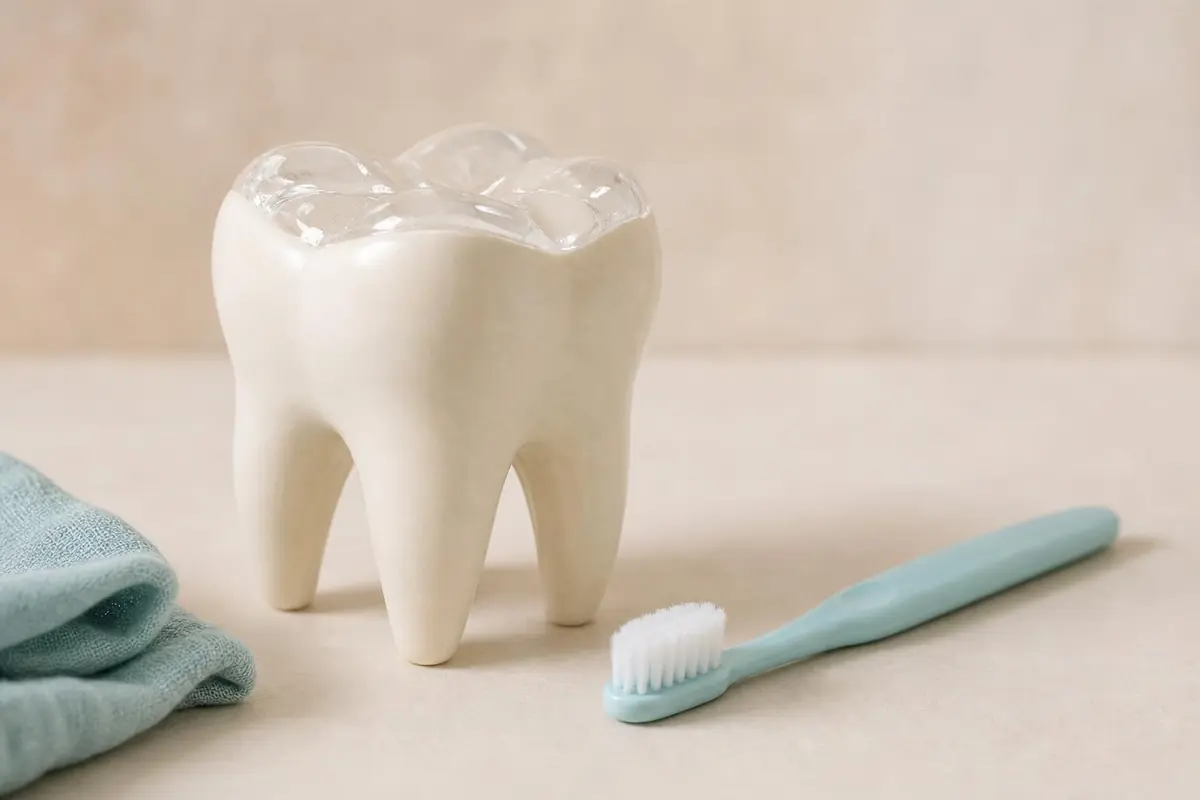
Dental sealants are thin protective coatings bonded to the chewing surfaces of the back teeth, where deep grooves trap food and bacteria that a toothbrush can't fully reach. The CDC says sealants placed soon after the adult molars come in can prevent up to 80% of cavities for two years. At Pacifica Dental, sealants are part of preventive care for children in Huntington Beach, usually around ages 6 and 12, when the permanent molars arrive.
Key points
- Sealants cover the grooves on the chewing surfaces of back teeth, where most childhood cavities in molars start.
- The usual timing is soon after the first molars (around age 6) and second molars (around age 12) come in.
- Placing them is quick, with no drilling, and usually little or no discomfort.
- They often last several years and are checked at regular visits.
- They add protection but don't replace brushing, flossing, or fluoride.
How do sealants prevent cavities?
The chewing surfaces of molars are full of pits and grooves. Many are too narrow for toothbrush bristles to clean out, so plaque settles in and stays. A sealant flows into those grooves and hardens, leaving a smoother surface that is easier to keep clean and harder for bacteria to colonize. This is one of the surfaces we mean when we explain why you can get cavities even if you brush.
How effective are sealants?
Well studied and effective. The CDC reports that sealants applied soon after the adult molars come in can prevent up to 80% of cavities for two years and continue to protect against about half of cavities for up to four years. It also reports that children ages 6 to 11 without sealants are almost three times more likely to have cavities in their molars than children with sealants. ADA MouthHealthy similarly describes sealants as reducing the risk of decay in molars by nearly 80%.
When should children get sealants?
ADA MouthHealthy recommends sealing the molars as soon as they come through: the first permanent molars around age 6 and the second molars around age 12. Earlier is better, because a groove that is sealed before decay starts doesn't get the chance to decay.
Sealants aren't only for permanent teeth. MouthHealthy notes they can benefit baby teeth too, and adults sometimes get them on deep-grooved molars without fillings. Whether a particular tooth should be sealed is a decision made at the exam.
Which children benefit most?
Sealants are commonly recommended for children's new permanent molars, and they matter most for a few groups: children who have already had cavities, children whose molars have especially deep grooves, and children who find it hard to brush their back teeth well. The CDC notes that school sealant programs focus on children at high risk for cavities for exactly that reason.
What happens when sealants are placed?
- The tooth is cleaned and dried.
- A mild gel is applied for a few seconds to slightly roughen the chewing surface so the sealant can bond.
- The tooth is rinsed and dried again.
- The sealant is painted into the grooves.
- A blue curing light hardens it in seconds.
There's no drilling and no numbing, and most children find the hardest part is keeping their mouth open for a few minutes. The bite is checked afterward so nothing feels high.
How long do sealants last?
MouthHealthy says sealants often last for several years. The CDC notes that they can last many years, though their protection declines over time. We check sealants at regular visits and repair or reapply them if they've worn or chipped.
Are sealants safe?
Yes. Parents sometimes ask about BPA. ADA MouthHealthy explains that sealants contain a tiny amount of BPA, too little to cause harm, and that people are exposed to more BPA from everyday sources like handling receipts, cosmetics, and household dust.
Are sealants covered?
Many plans cover preventive care for children, so it's worth checking yours. Pacifica Dental accepts Medi-Cal Dental, and coverage depends on each member's eligibility. Our guide to what Medi-Cal Dental covers explains the program. Call us with your coverage details and we'll confirm what applies before the visit.
Common questions
Do sealants replace fluoride?
No. They work together. Sealants protect the grooves on chewing surfaces, while fluoride strengthens enamel on every surface, including between teeth where sealants don't reach.
Can a sealant go over a cavity?
If the exam finds a cavity, it's treated first. Sealants are for healthy grooves, or ones showing only the earliest signs of change, as the dentist decides.
Can sealants come off?
They can wear down or chip over time, especially on teeth that do a lot of chewing. That's why we check them at every visit and repair or reapply them when needed.
Will the sealant feel strange?
For a day or so your child may notice a slightly smoother surface. We check the bite before you leave so the tooth doesn't feel high.
How much toothpaste should my child use?
A rice-grain smear under age 3 and a pea-sized amount from 3 to 6. Our article on how much toothpaste kids should use explains why the amount matters.
If your child is around 6 or 12 and hasn't had the new molars checked, now is a good time. Pacifica Dental sees children, teens, and parents in one office in Huntington Beach, with family appointments back to back where the schedule allows. Call (714) 848-8211 or request an appointment.
References
This article is general dental health information, not personal medical advice. For recommendations specific to your teeth, schedule an exam.