
Invisalign for Teens: What Parents Should Know
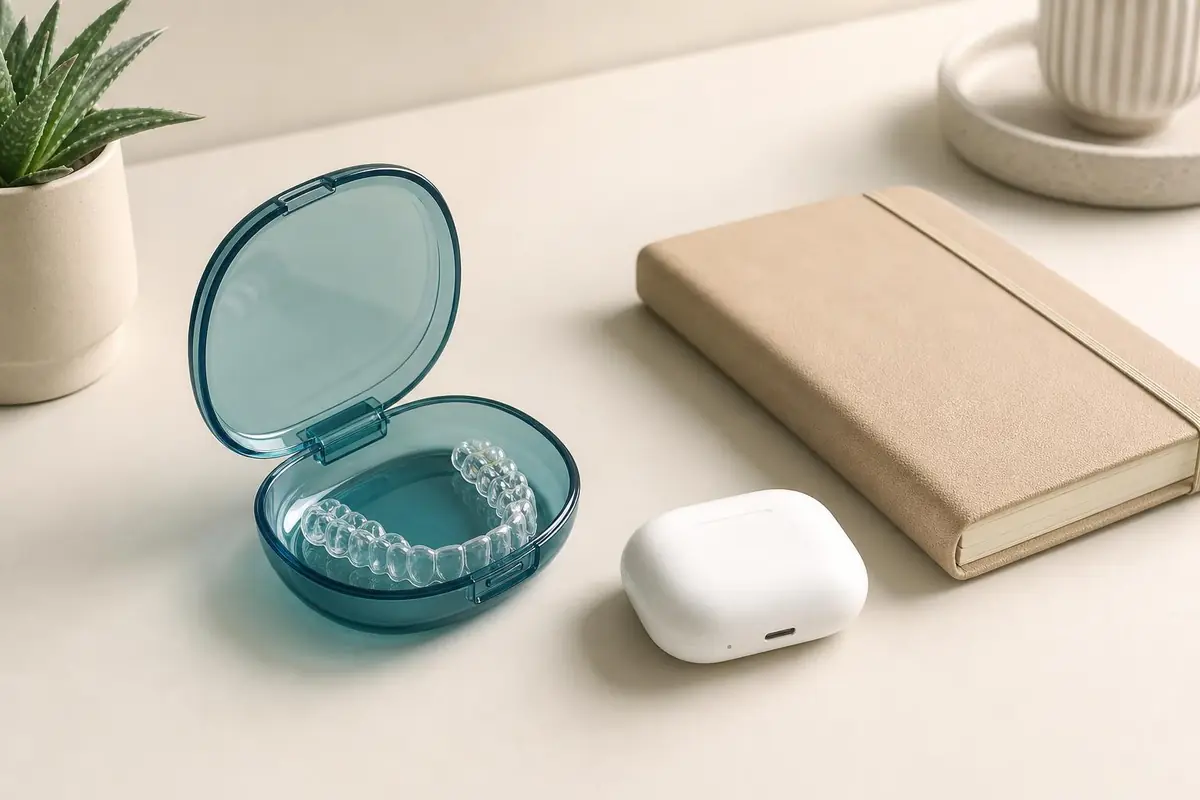
Invisalign can be a good fit for teenagers whose permanent teeth have come in and who have mild to moderate crowding, spacing, or bite concerns, as long as they'll wear the aligners 20 to 22 hours a day. Because aligners come out, results depend on your teen keeping them in, so readiness matters as much as the teeth themselves. Pacifica Dental offers complimentary Invisalign consultations for older teens and adults in Huntington Beach.
Key points
- The AAO describes the teen years as a strong window for treatment: permanent teeth are in, and jaws are still growing.
- Aligners suit many mild to moderate problems. Complex cases may be treated more predictably with braces.
- Wear time is the deciding factor: 20 to 22 hours a day, out only to eat, drink anything other than water, and brush.
- Aligners can be lost or damaged because they're removable, so a case and a routine matter.
- Teens who play contact sports still need a mouthguard.
Is my teen old enough for Invisalign?
Usually, once the permanent teeth have come in. The AAO notes that teens are in a strong window for orthodontic treatment, because their permanent teeth are in place and their jaws can still be guided as they grow. It also recommends a child's first orthodontic check no later than age 7, so some families already know by the teen years whether treatment is likely.
At Pacifica Dental, Invisalign candidates are typically adults and older teens with mild to moderate crowding, spacing, or bite concerns. Younger children with developing jaws or more complex problems may be better served by a different approach.
What can aligners treat in teenagers?
Invisalign addresses many of the same concerns as braces: crowded teeth, gaps, and some bite problems such as overbite, underbite, and crossbite. Cleveland Clinic notes that clear aligners treat many mild to moderate alignment problems and aren't right for everyone. The AAO likewise notes that some cases are treated more predictably with braces. If braces would serve your teen better, we'll say so at the consultation.
Will my teen actually wear them?
This is the honest question, and only you know your teen. Aligners only work while they're in. The AAO notes that aligners must be worn as prescribed, typically at least 22 hours a day and in the right order, and that they can be easily lost or damaged because they're removable.
Signs a teen is ready for aligners:
- They keep track of their phone, keys, and retainers without constant reminders.
- They want the treatment themselves, rather than being talked into it.
- They already brush reliably, since teeth have to be brushed before aligners go back in.
- They can handle a routine of storing aligners in a case at lunch instead of in a napkin.
Our articles on how many hours a day to wear Invisalign and eating and drinking with Invisalign cover the daily habits in detail, and they're worth reading together with your teen.
Aligners or braces for a teenager?
- Case complexity: braces may be more predictable for severe crowding, large gaps, or big rotations.
- Responsibility: braces can't be taken out, which removes the wear-time question.
- Appearance: aligners are hard to notice, which matters to many teens.
- Cleaning: aligners come out for brushing and flossing, which is easier than cleaning around brackets.
- Food: with aligners there are no banned foods, because they come out to eat.
Our Invisalign vs. braces guide is written for adults, but most of the trade-offs apply to teens as well.
What about school, sports, and drinks?
School days need a plan: a case in the backpack, a travel toothbrush or at least a good water rinse after lunch, and aligners back in promptly. With aligners in, stick to plain water. Sugary or acidic drinks trapped under the plastic sit against the teeth for hours.
Teens who play contact sports still need mouth protection. We recommend sports mouthguards for teenage athletes, and if your teen is in aligners, ask us how to handle practice and game days.
How can parents support a teen in aligners?
- Agree on the rules before treatment starts: where the case lives, when aligners come out, and what happens if a set goes missing.
- Keep a spare case and a travel toothbrush in the car or sports bag.
- Check in at the six-week appointments rather than every day, so it stays your teen's project.
- Keep an eye on drinks other than water with aligners in, a habit that is easy to let slip.
What happens after treatment?
Retainers. Teeth tend to drift back after any orthodontic treatment, and teenagers are still growing, so retainer wear is part of the plan from the start. Our article on whether you need retainers after Invisalign explains how wear typically changes over time.
Common questions
How often are checkups during treatment?
Roughly every six weeks, to check progress and hand over the next sets of aligners.
What if my teen loses an aligner?
Call the office. Depending on where they are in the sequence, we'll advise whether to go back to the previous set or move ahead while a replacement is arranged.
Does it hurt?
Most teens feel pressure for a few days with each new set, then it settles. It's more like tightness than pain.
What does Invisalign cost for a teen?
It depends on the case. Our guide to what determines the cost of Invisalign explains the factors, and we give clear costs at the consultation, along with financing options.
Pacifica Dental is a family practice in Huntington Beach, so your teen's checkups, your own care, and an Invisalign consultation can all happen in one office, including on Saturdays from 8am to 4pm. Call (714) 848-8211 or request a consultation.
References
This article is general dental health information, not personal medical advice. For recommendations specific to your teeth, schedule an exam.
Ongoing offer
Complimentary Invisalign consultation
Find out whether Invisalign suits your case and what treatment involves — with a clear quote and financing options explained.
- Whether clear aligners fit your case
- What treatment involves, step by step
- A clear quote, with financing options explained
Consultation only — treatment is quoted separately, with costs explained before anything begins.
Ongoing — no expiration.