
Does Invisalign Hurt? What the First Days Feel Like
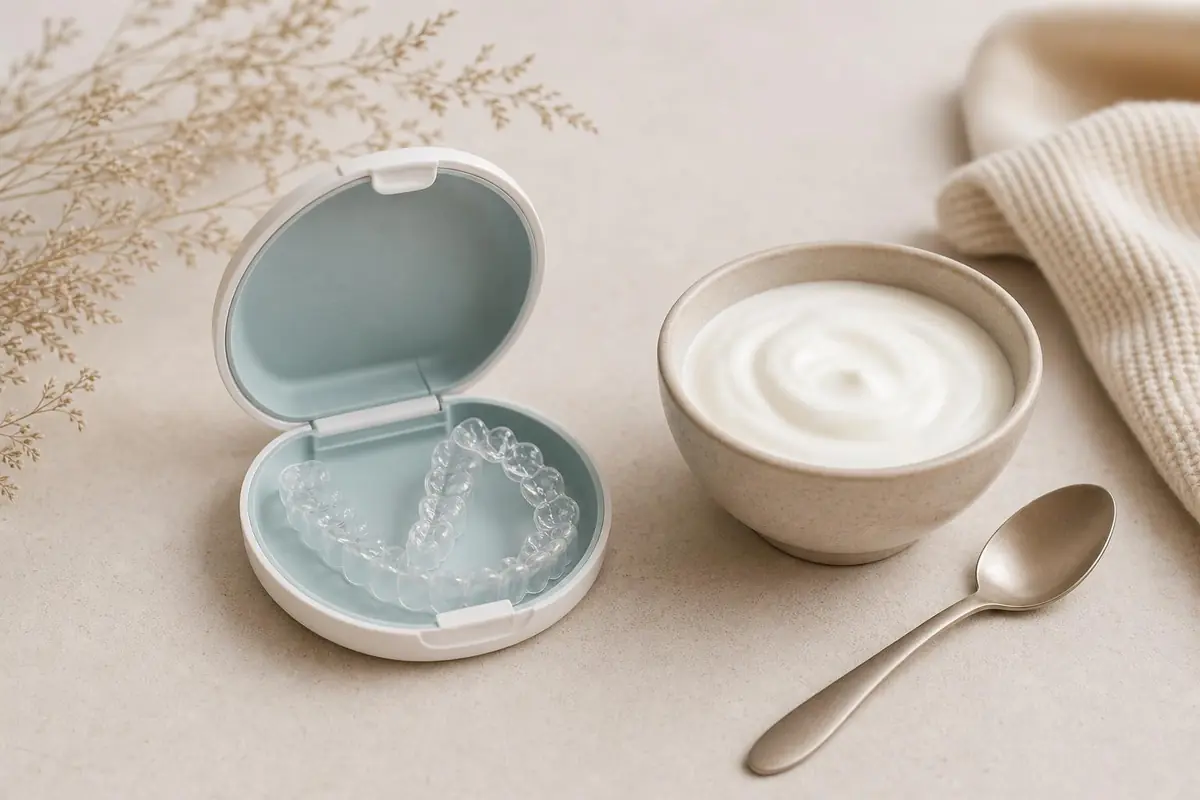
Invisalign usually causes pressure and mild soreness rather than pain. Teeth feel tender for the first few days of each new set of aligners, especially when chewing or taking the trays out, and then settle. Cleveland Clinic notes that this soreness typically eases within a few days. Pain that is sharp, constant, or caused by a rough edge isn't normal, and it's worth a call to the office managing your Invisalign treatment.
Key points
- Pressure means the aligners are doing their job. It's strongest in the first days of each new set.
- New attachments or a rough aligner edge can rub the lips, cheeks, or tongue at first.
- Over-the-counter pain relievers, a cold compress, and soft foods can help, as the AAO suggests for orthodontic soreness.
- Taking aligners out to avoid soreness slows treatment. The AAO notes that removing them because they're uncomfortable defeats their purpose.
- Call for sharp edges, a cracked aligner, swelling, or one tooth that stays painful.
Why do aligners make teeth sore?
Each aligner is shaped slightly differently from the one before, so when you snap in a new set, it presses on your teeth until they move to match it. Teeth move because steady pressure prompts the bone and the ligament around each tooth to remodel. The tenderness you feel is that ligament responding. It's the same basic process as braces, delivered in small steps.
How long does Invisalign soreness last?
For most people, a few days per aligner. Cleveland Clinic describes pressure or soreness when chewing or removing a new tray that usually eases within a few days. Then the aligner feels comfortable until the next switch, typically one to two weeks later. The AAO describes orthodontic discomfort in general as strongest in the first day or two after an adjustment and fading after a few days.
Expect the first week of treatment to involve the most getting used to, because everything is new at once: the fit, any attachments, and talking with aligners in.
What helps with Invisalign soreness?
- Switch to each new aligner at bedtime, so the tightest hours pass while you sleep.
- Take an over-the-counter pain reliever if you need one, following the label or your dentist's advice. The AAO lists ibuprofen and acetaminophen as options for orthodontic soreness.
- Hold a cold compress against your cheek, which the AAO recommends for tender teeth.
- Choose softer foods for the first day or two of a new set: yogurt, soups, eggs, pasta, and mashed vegetables.
- Keep wearing the aligners 20 to 22 hours a day. Leaving them out lets teeth drift back, so the next time you put them in feels tight all over again.
For more on keeping up wear time, see how many hours a day to wear Invisalign.
Is Invisalign more or less uncomfortable than braces?
It's a different kind of discomfort. Aligners have no brackets or wires to rub the inside of the lips and cheeks, which is a common source of irritation with braces. On the other hand, each aligner change brings a few days of pressure. The AAO describes the discomfort when switching to a new set of aligners as usually easy to manage. Neither option is entirely free of discomfort, and both are manageable for most people.
When is discomfort a reason to call?
- An aligner edge is cutting into your gum, cheek, or tongue
- An aligner is cracked, warped, or won't seat fully on your teeth
- One tooth is sharply painful or painful to bite on for more than a few days
- You notice swelling of the gums or face
- An attachment has come loose or has a sharp edge
Most of these are quick fixes, like smoothing an edge or replacing an aligner. If attachments are part of your plan, our article on what Invisalign attachments are explains how they work.
How do I look after sore teeth without slowing treatment?
The aim is to stay comfortable while keeping the aligners in. Plan new sets for evenings or weekends when you can eat softer food, keep your aligner case and a travel toothbrush with you so meals don't turn into hours without aligners, and give each set its full wear time before moving on. If soreness is making you skip hours, tell us at your next checkup, because the plan can sometimes be paced differently.
Does Invisalign affect speech or comfort in other ways?
Some people notice a slight change in speech for the first day or two with aligners in, which usually fades as the tongue adjusts. Your mouth may also feel drier or produce more saliva at first. Both are part of getting used to a new appliance and tend to settle without any changes to treatment.
Common questions
Can I take my aligners out when they hurt?
Only to eat, drink anything other than water, and brush. Taking them out to avoid soreness slows treatment and tends to make the next fit feel tighter.
Do attachments make Invisalign hurt more?
Attachments help aligners grip, so the aligner can feel firmer. That firmness is part of how teeth move, and it eases like ordinary soreness does.
Is it normal for one tooth to hurt more than the others?
Teeth that are moving the most in a given aligner often feel the most pressure. If one tooth stays sharply painful for more than a few days, call us.
Does the soreness get worse later in treatment?
Not usually. Each new aligner brings a few days of pressure, but most people find they know what to expect after the first few sets.
If you're wondering whether clear aligners would be comfortable for you, ask at a complimentary Invisalign consultation at Pacifica Dental in Huntington Beach. Call (714) 848-8211 or request a consultation. Our Invisalign vs. braces guide compares the two options side by side.
References
This article is general dental health information, not personal medical advice. For recommendations specific to your teeth, schedule an exam.
Ongoing offer
Complimentary Invisalign consultation
Find out whether Invisalign suits your case and what treatment involves — with a clear quote and financing options explained.
- Whether clear aligners fit your case
- What treatment involves, step by step
- A clear quote, with financing options explained
Consultation only — treatment is quoted separately, with costs explained before anything begins.
Ongoing — no expiration.