Patient Resources

Preventive & Family Dentistry Articles

Everyday dental health answers from Pacifica Dental in Huntington Beach — what causes cavities, what X-rays are for, when children should first be seen, and what actually works at home.

Preventive dentistry is mostly a small number of habits done consistently, plus a small number of misconceptions that quietly undo them. These articles cover what actually causes cavities in people who brush well, what X-rays are for and how often they are appropriate, when children should first be seen, and how to tell whether your daily routine is working.

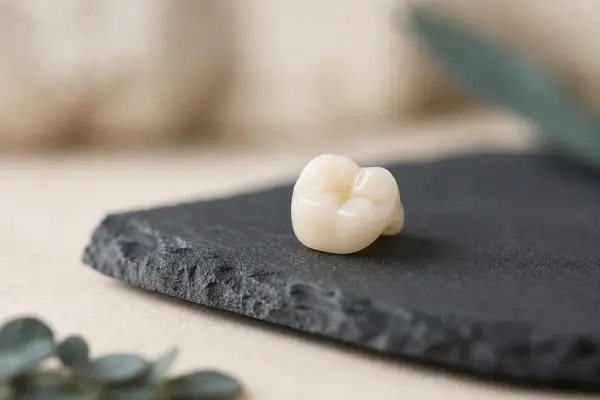
What to Expect After Getting a Dental Crown

Some sensitivity and gum tenderness for a few days after a crown is normal. A bite that feels high, pain that gets worse, or a crown that feels loose is not. Here is what to expect with a temporary crown, the first week, and the long term.
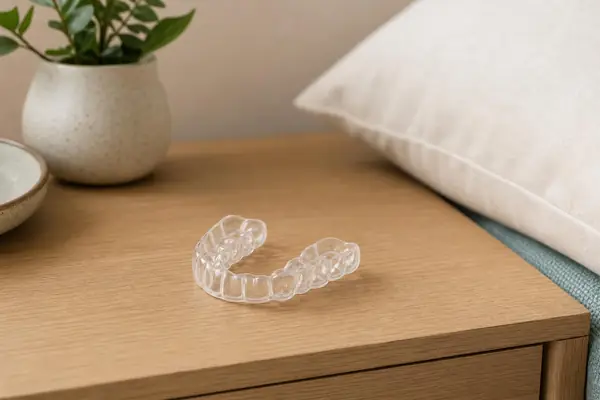

Teeth Grinding (Bruxism): Signs, Causes, and What Helps

Many people grind or clench their teeth in their sleep without knowing it. A sore jaw, morning headaches, and worn or chipped teeth are the usual clues. Here is why it matters and what actually helps.

Is It Safe to Go to the Dentist While Pregnant?

Yes. Cleanings, needed X-rays, local anesthesia, and treatment for cavities are all considered safe during pregnancy, and putting off needed care can be the bigger risk. Here is what changes in your mouth and what to tell your dentist.

Signs You May Need Urgent Dental Care (and When It's an ER Visit)

Severe tooth pain, facial swelling, a knocked-out tooth, or a broken tooth that hurts all need a prompt call to a dentist. Swelling that affects breathing or swallowing needs 911. Here is how to tell the difference.

Dental Care After 60: What Changes and What Helps

After 60, dry mouth from medications, gum disease, decay, and older dental work need more attention. What changes, and what helps at home and at visits.

Dental Care for Teens: What Changes and What Helps

The teen years bring new molars, sports and energy drinks, braces or aligners, and less parental oversight. What matters most for teen teeth.

Thumb Sucking and Pacifiers: When Do They Affect Teeth?

Most children stop sucking thumbs or pacifiers between ages 2 and 4. When the habit can start to affect teeth, and gentle ways to help a child stop.

Do Cavities in Baby Teeth Need to Be Filled?

Usually, yes. Baby teeth hold space for adult teeth, and untreated decay can cause pain and infection. How dentists decide what a child's cavity needs.

Teething: What Helps, What to Avoid, and When to Call

Teething usually starts between 6 and 12 months. What soothes sore gums safely, which products the FDA warns against, and which symptoms aren't teething.

How Much Toothpaste Should Kids Use? A Guide by Age

Use a rice-grain smear of fluoride toothpaste until age 3 and a pea-sized amount from 3 to 6. Why the amount matters, and how to brush with young kids.

Dental Sealants for Kids: What They Are and Who Needs Them

Sealants are thin coatings bonded to the chewing surfaces of back teeth to keep decay out. How they work, when kids get them, and how long they last.

A Back-to-School Dental Checklist for Parents

Book checkups early, handle California's kindergarten oral health assessment, ask about sealants, and pack tooth-friendly lunches. A simple checklist.

Electric vs. Manual Toothbrush: Does It Actually Matter?

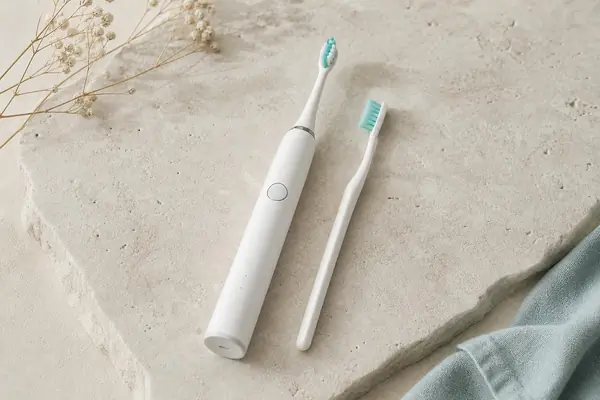
Either can clean your teeth properly. Electric brushes help most people who struggle with technique or pressure — and the features worth paying for are narrower than the marketing suggests.

When Should Children First See a Dentist?

Earlier than most parents expect — guidance points to the first birthday, or within six months of the first tooth. The first visit is mostly about establishing a habit rather than treatment.

Why Do I Get Cavities Even Though I Brush?

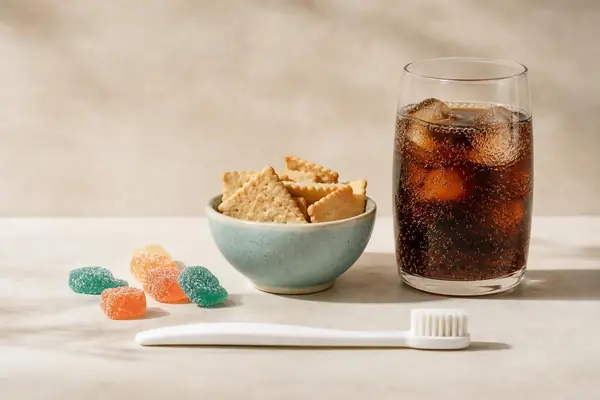
Brushing is necessary and not sufficient. Most cavities in people who brush well start in the two places a toothbrush cannot reach — and frequency of eating matters more than quantity of sugar.

Do Dental X-Rays Have Radiation, and Are They Safe?

Yes, they involve radiation — a very small amount, and modern digital sensors use less than film did. Here is how the dose compares and why the frequency should be individual.

Helping Children Feel Comfortable at the Dentist

Kids aren't born afraid of the dentist — dental anxiety is usually learned. The words you choose, the way you schedule, and what you do after the visit can shape how your child feels about dental care for years to come.

Routine Cleaning vs. Deep Cleaning: What's the Difference?

Your dentist said you need a "deep cleaning" and you're wondering if that's just a more expensive cleaning. It isn't — they're different procedures for different conditions. Here's how each works and how the decision is actually made.

Why Regular Dental Checkups Can Save Your Smile

The most expensive dental problems almost all start as cheap ones. Here's what actually happens at a checkup, why 'nothing hurts' isn't the same as 'nothing's wrong,' and how regular visits protect your smile and your budget.

Dental Travel Tips: Protect Your Smile on the Road

A dental emergency far from home turns a vacation upside down. A pre-trip checkup, a small dental kit, and knowing what to do if something breaks — here's the traveler's playbook.

Dental Care Facts and Myths

Sugar causes cavities, harder brushing cleans better, baby teeth don't matter — which are true? We sort common dental beliefs into fact and myth so your home care actually works.

Choosing a Toothpaste for Sensitive Teeth

That wince when you sip iced coffee is a signal, not a life sentence. Here's how sensitivity toothpastes actually work, what to look for on the label, and when sensitivity means it's time to see your dentist.

Ready to schedule your visit?

Request an appointment online or call our Main Street office — we respond to website inquiries within 24 business hours.